1:1 CoachingYou're not a few sessions away from cracking this.
You're one right conversation away.
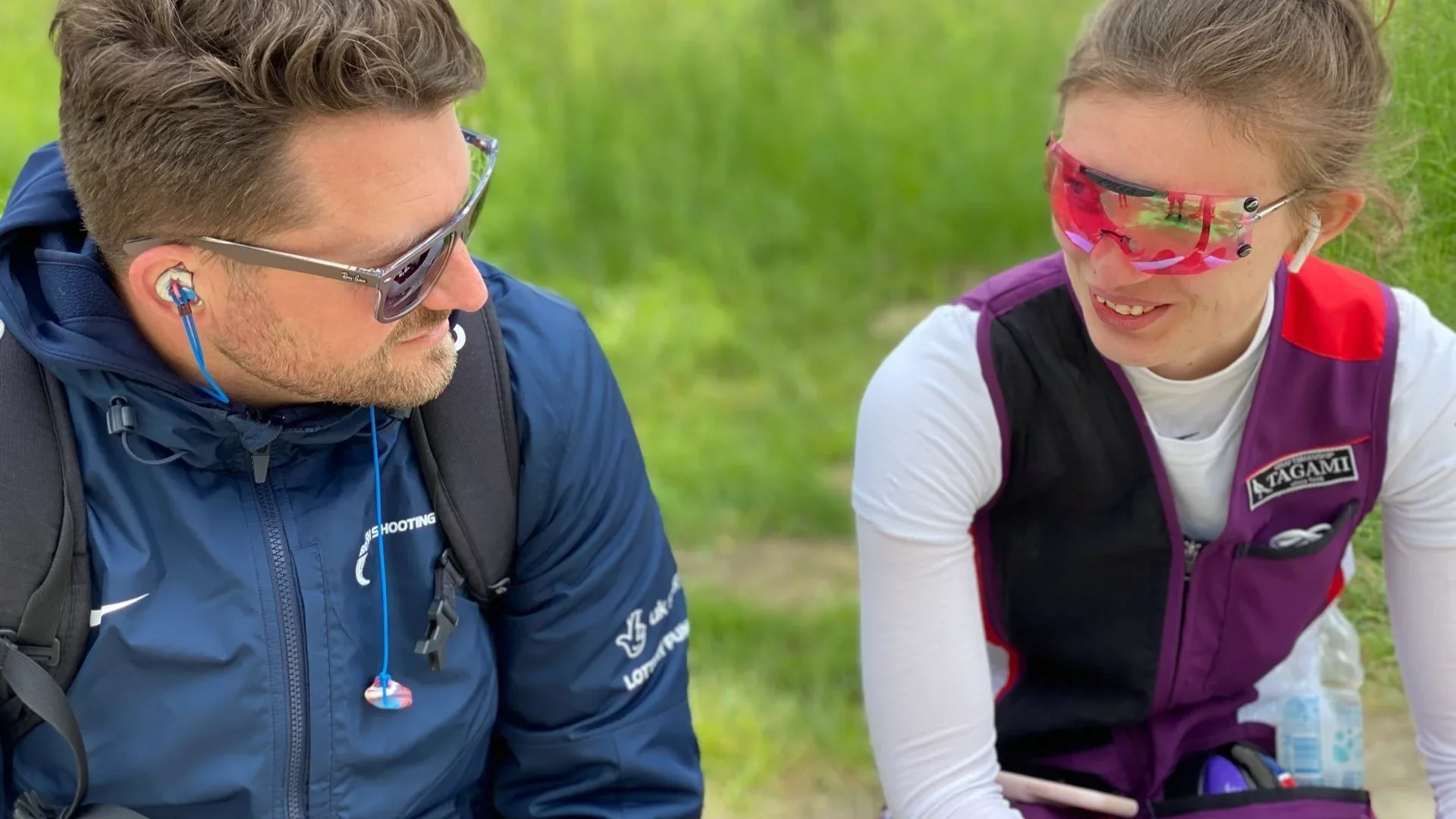
Most shooters who come to me for 1:1 work aren't beginners. They're experienced competitors who train seriously, know their technical game well, and have been living with a frustrating gap for longer than they'd like to admit.
They shoot scores in practice that would put them in the medals. Then competition day arrives and something shifts. The pressure builds, the mind gets loud, and the scores that felt automatic on the practice ground are suddenly nowhere to be found.
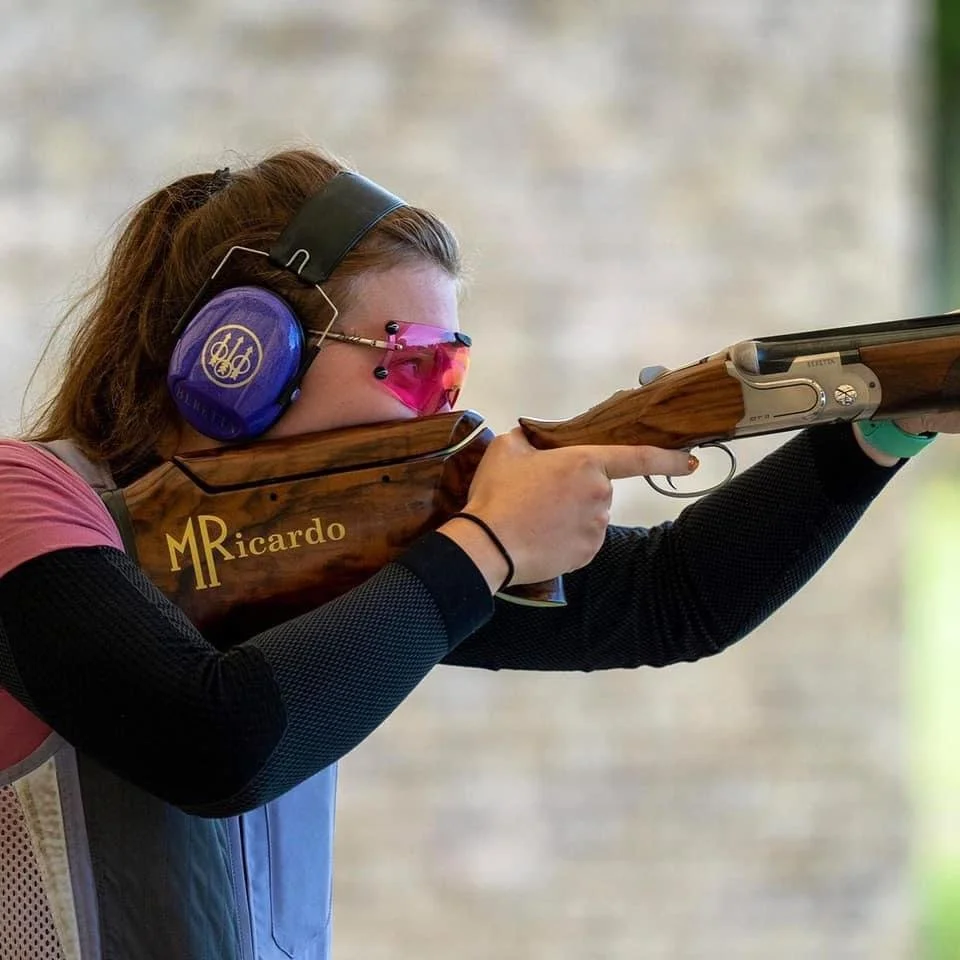
If that's familiar, you don't need more technical work. You need a precise, honest look at what's actually happening when it matters — and a method for doing something about it.
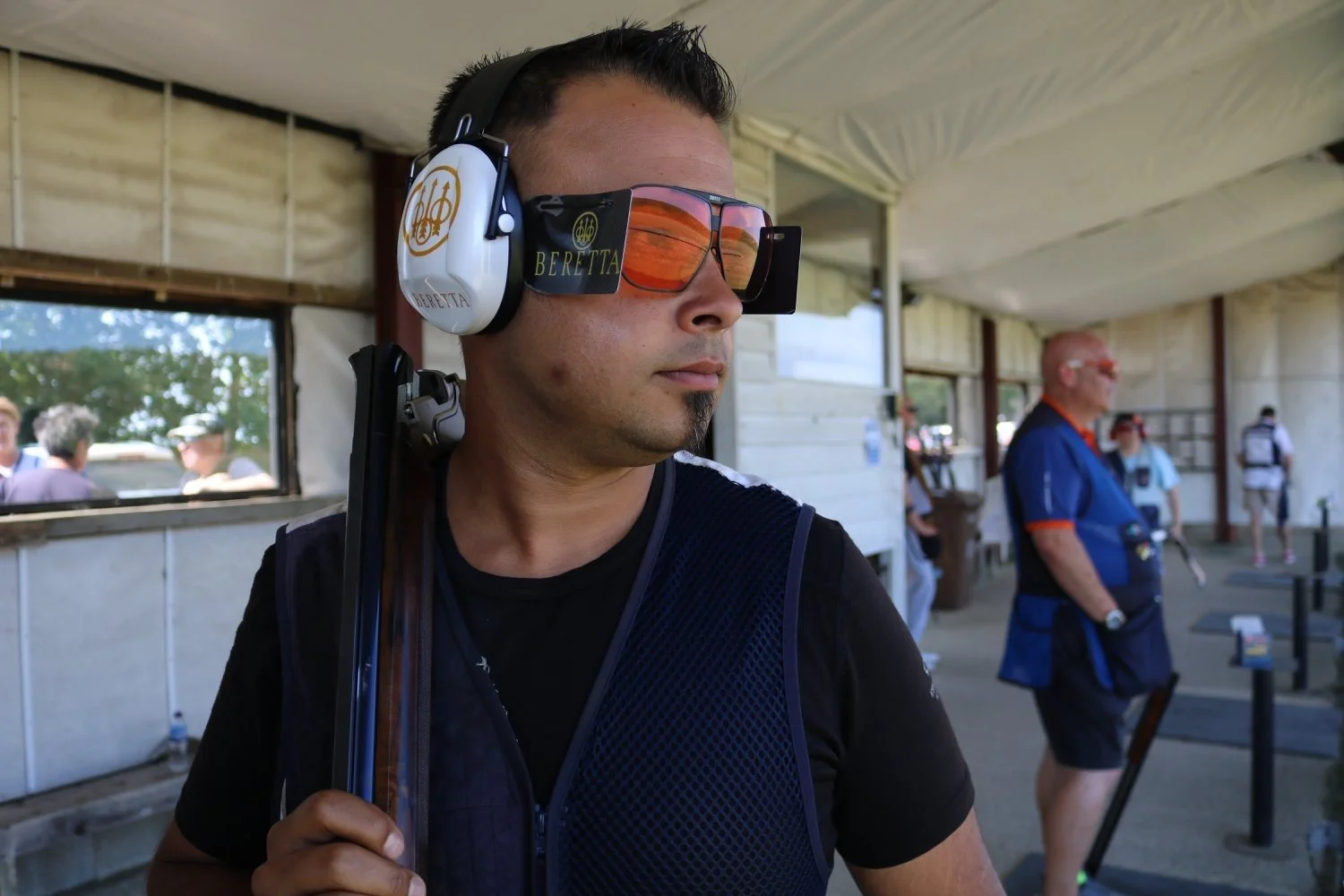
Testimonial
From AA to AAA in Three Months
Jason Turner | English Sporting
30+ years competing
I’ve been shooting for over 30 years. For most of that time I bounced between A and AA class, winning a few county titles along the way but never quite making the step up. I’d tried practice sessions over the years with no real success.
Honestly, I could never find the same desire to shoot clays unless it was in a competition environment, even though I knew there were aspects of my game that needed work.
I’d researched sports psychology for over a decade but never followed through with a specialist. After a no-obligation conversation with Paul and a good in-depth discussion about my ambitions and what I felt was holding me back, he set out some straightforward ways to help me be stronger in certain situations.
I always thought I had a good pre-shot routine.
I knew nothing!
The way I now clear my mind when entering a stand is incredible. It’s simple things, one-liners like “What is your intention?” and “You’re in control” that sound like nothing on paper, but when you apply them consistently, they work.
Three days after my first session with Paul, I had the South West Intercounties Championship at Owls Lodge. I shot 96 ex 100, taking High Gun by two targets in a strong field of 195 guns. From there I spoke to Paul weekly, discussing what went well and what I could improve after each weekend’s competitions.
In the first three months I competed in 18 registered English Sporting competitions at eleven different grounds, averaging 92.2. My CPSA average at the start was 87.8. I took High Gun on six occasions and have now established myself in AAA class.
If you’re like I was, serious about your shooting but unsure about the psychology side, I’d say this: if you’re willing to work at what you discuss with Paul, it will open your eyes to things you’d never have considered. Things that genuinely make a difference.
Is this for you?Who I work with
I work exclusively with serious, competitive shooters. What matters is that you're competing regularly, your technical foundation is solid, and the gap between your practice performance and your competition performance has become the thing that keeps you awake at night.
You might be…
A few targets from where your ability should place you.
Chasing a classification, a national title, or a place on a programme.
Tired of watching shooters you know you can outshoot walk away with results you left on the table.
What you're not is someone looking for quick fixes or motivational content.
You want a process that actually works under pressure.
What This isThis isn't therapy.
It's applied performance psychology.
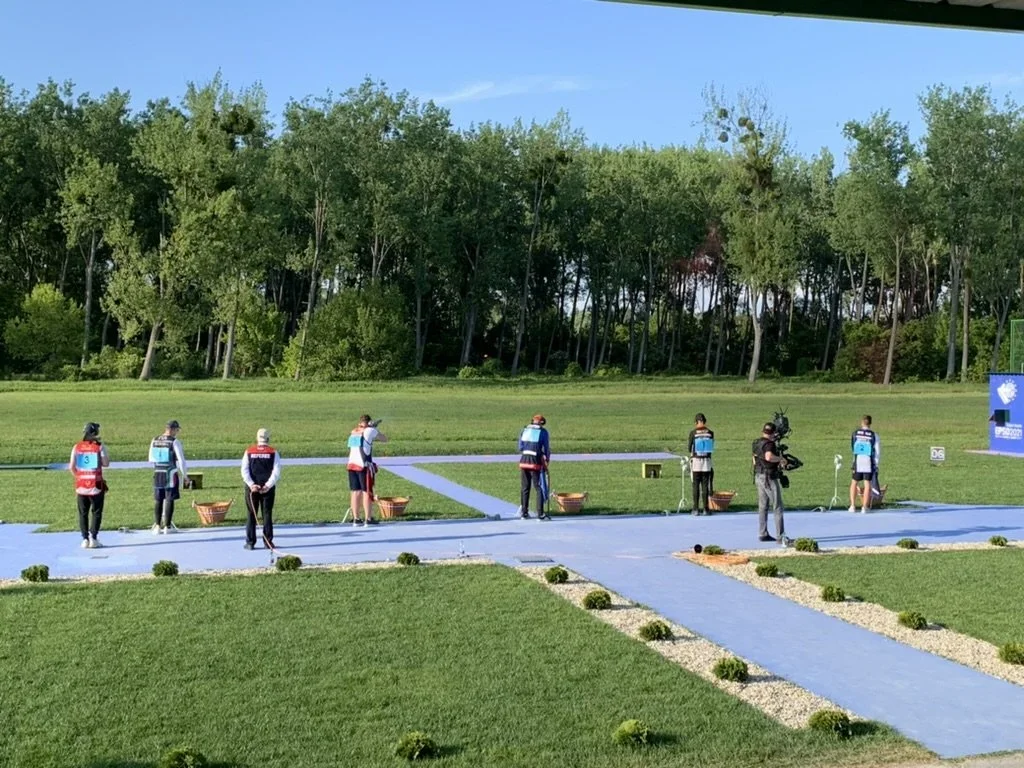
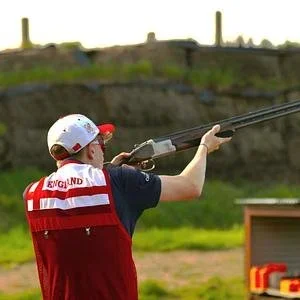
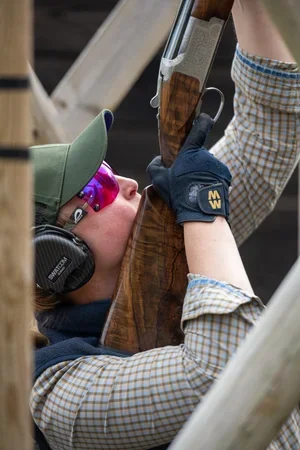
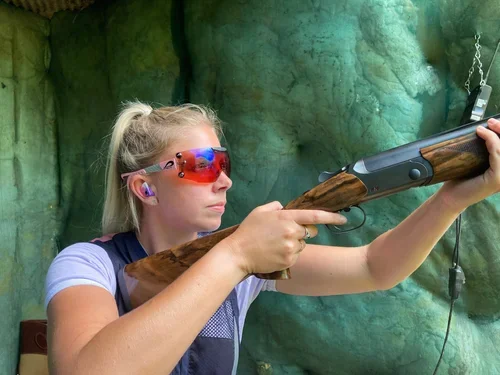
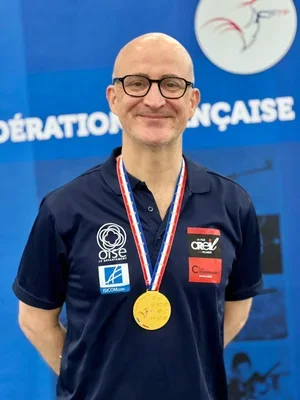
Built entirely around competitive shooting and delivered by someone who has spent 15 years doing exactly this work at the highest levels of the sport.
We don't talk about eliminating nerves or controlling your thoughts. We build a performance method that works with your psychology, not against it — so the pressure of competition becomes something you can use rather than something that uses you.
The work is structured, evidence-based, and tailored entirely to you.
TestimonialBack From the Brink
David Ryan | Sporting Clays
I came to clay shooting from a game shooting background and was struggling badly with anxiety when entering a trap, surrounded by fellow shooters. Those thoughts and feelings were breaking my ability to concentrate on my pre-shot routine, which led to poor performance, which compounded the anxiety further.
I was ready to pack up a sport I loved.
Working 1:1 with Paul gave me two things. First, he taught me some simple but powerful techniques that have enabled me to take control of my response to my thoughts and free myself up to concentrate on my routine.
Those techniques have become powerful not just in shooting but in life generally.
My scores have started to creep up. I’ve hit my short-term goal of moving from C to B class.
I still have a long way to go, but the journey has become enjoyable again.
Second, he gave me access to a community of like-minded shooters at all levels. Listening to their insights into their own shooting journey helps me understand how others approach their challenges, which in itself is a powerful resource.
This has been a very worthwhile journey. I’d encourage anyone in a similar position to speak to Paul.

What This isHow it works
01
The First Session
We get into the detail of your situation quickly — where the gap is, what triggers it, what you're already doing well. You'll leave with one clear action to work on immediately.
02
Building Your Method
A psychological framework developed around the way you think and compete. By the time you walk onto the line, you've already stress-tested what we've built.
03
Three Months Together
Sessions every seven to ten days. Direct WhatsApp access between sessions. On competition days, I'm there — that's not a small thing.
What actually changes
The shooters I work with stop making technical adjustments to account for psychological errors. They stop second-guessing decisions they'd have made automatically in practice.
More than the scores — and the scores do change — they stop dreading competition.
The pressure doesn't disappear, but it stops being the thing that derails them. Some tell me they've rediscovered why they started shooting in the first place.
TestimonialWinning 80% of Competitions at 66 Years Old
Eugenio Bortone | Olympic Trap
Before working 1:1 with Paul, I was performing well in training but struggling to reproduce that level in competition. In practice everything felt controlled and consistent, but once I stepped onto the competition stage the pressure would creep in.
I’d start overthinking shots, trying to force perfect execution, and my focus would shift from the process to the outcome.
My competition scores simply didn’t reflect what I knew I was capable of based on my training.
The biggest shift was how I handled pressure. Instead of fighting nerves or trying to control every outcome, I learned how to stay present and trust my process under competitive stress. My thinking became simpler and calmer during matches.
Rather than chasing results or worrying about mistakes, I was able to reset quickly, stay committed to each shot, and perform with the same mindset I had in training.
Because of that shift, my competition performances finally started to reflect my training level. I shot my personal best in competition and began delivering consistent scores when it mattered most.
I’ve been winning around 80% of my competitions and reaching the finals about 90% of the time. Results that previously felt just out of reach became normal.
If you’re a shooter who knows you have the skill but can’t seem to show it when the pressure is on, working with Paul can be the difference between hoping for a good performance and actually delivering one when it counts.
The investment
To book a discovery call, start with a short survey. It covers the investment and a few simple questions — completing it unlocks the booking page.
I do it this way out of respect for your time and mine — there's no point in either of us having a conversation if the number doesn't work.
Ready to level up?The next step
If you've read this far and it feels like I'm describing your situation, the right move is a discovery call.
30 minutes. No pitch, no pressure. You'll get a clear sense of whether working together makes sense.